Summer in Hutto can be relentless. When your air conditioner stumbles through another afternoon of weak airflow or louder-than-usual compressor noise, deciding who to call feels weighty. A rushed fix can cost more than money: it can shorten equipment life, leave cold spots, or saddle you with surprise bills down the road. Asking the right questions up front separates competent pros from those who merely show up with a truck.
Below I lay out practical, experience-tested questions to ask any AC technician before you authorize work, plus what answers should make you nod and which should trigger caution. I also include local context for homeowners in Hutto and a few realistic cost and timeline expectations. If you prefer a local company with a track record, Jurnee Mechanical is one name that frequently appears in conversations around reliable AC repair in Hutto TX. Use the questions that follow to verify credentials for them or any other contractor you consider.
Why these questions matter
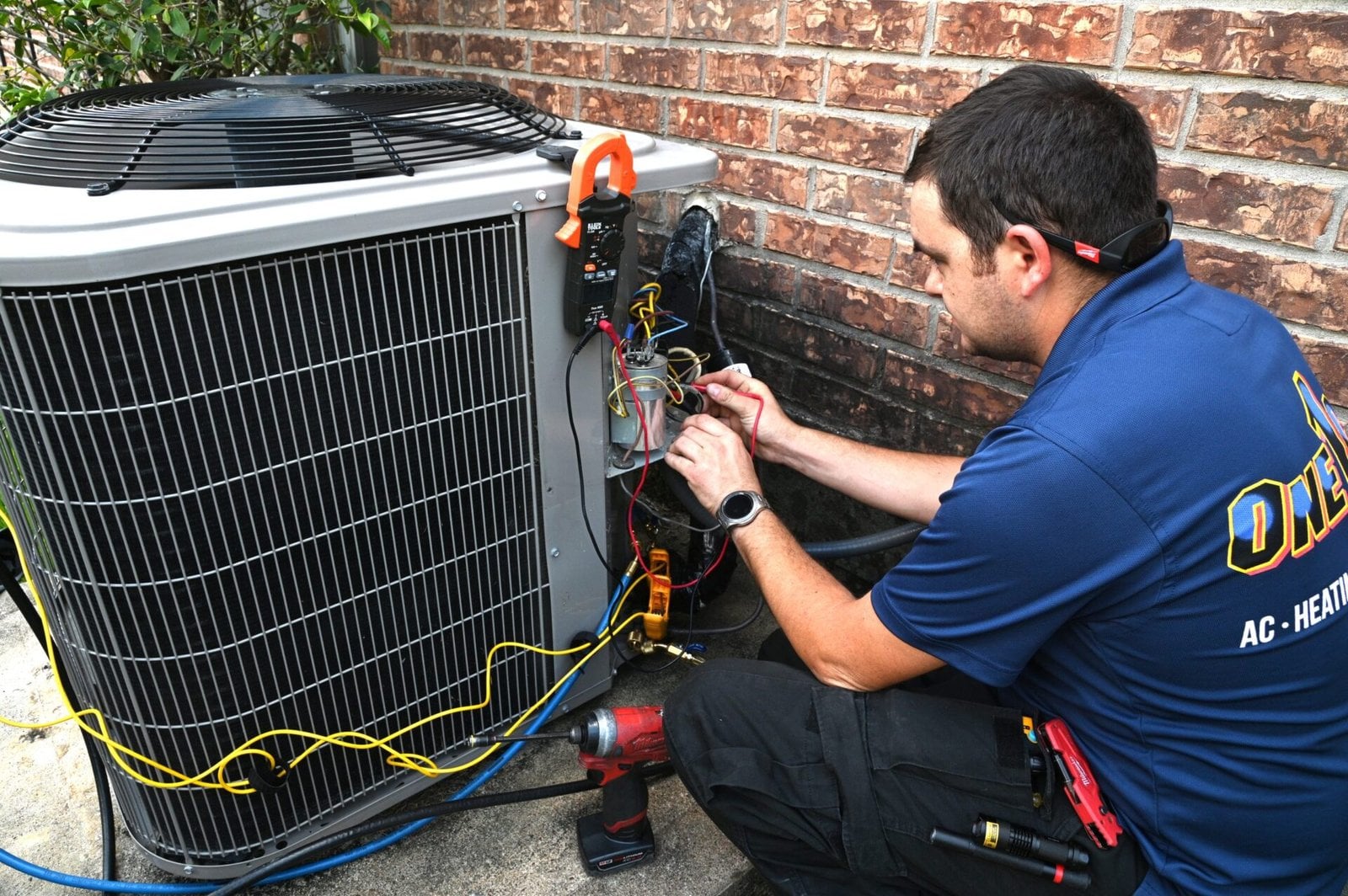
Repairing an air conditioner is part diagnosis, part judgment. A skilled technician identifies the root cause, explains repair options in plain language, and estimates life expectancy after the repair. Less competent techs treat the job like a set of bandages. That leads to repeat visits, unnecessary part replacements, or mismatched installations. Asking pointed questions forces clarity about what will actually be done and gives you leverage to compare bids honestly.
Five core questions to ask before you hire someone
- What specifically is causing the problem, and how will you fix it? Do you recommend repair, partial replacement, or full replacement, and why? Can you provide a written estimate that itemizes labor, parts, and any diagnostic fees? Are you licensed, insured, and do you offer any warranty on labor and parts? How long will the repair take, and what is the expected operating life after repair?
What a good answer looks like, and what to watch for
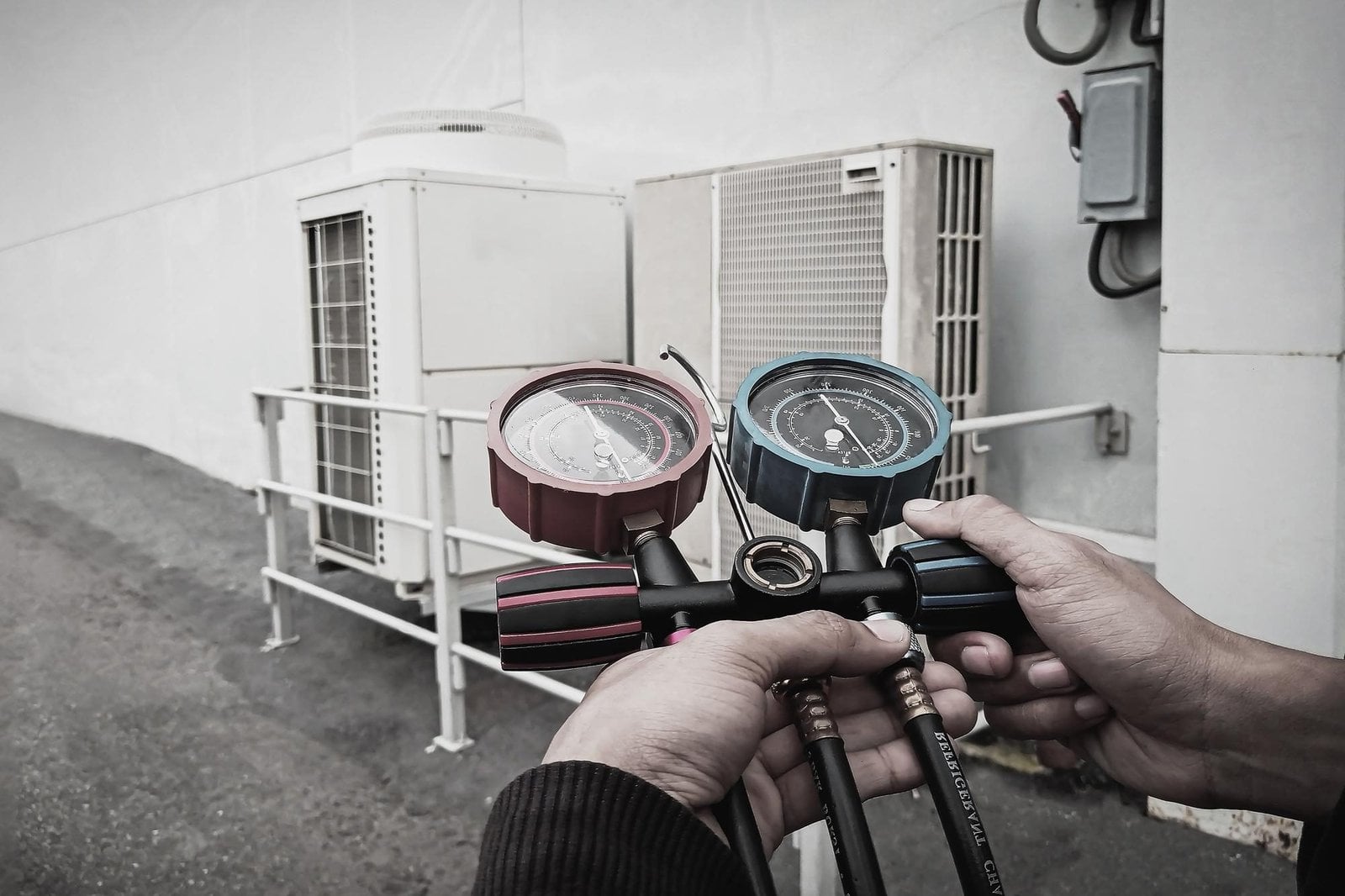
When you ask what is causing the problem, expect a technician to describe a plausible failure mode and a method for confirming it. For example, if the complaint is weak cooling and you reported ice on the evaporator, a confident response might walk through inspecting airflow restrictions, measuring refrigerant pressures with gauges, and checking the metering device. A vague answer such as "we'll replace the compressor" without diagnostics should set off alarm bells.
On repair versus replacement, a strong tech will quantify the trade-off. They'll estimate remaining life in years, show simple math comparing repair cost to replacement cost, and note energy-efficiency differences. If a 12-year-old condensing unit needs a compressor and labor would exceed 40 to 50 percent of a new system's cost, replacement often makes sense. Conversely, a 3 to 5 year window of reliable service from a repair can be a perfectly sound path for newer equipment.
A written estimate is non-negotiable. The estimate should break out parts, labor hours or flat labor fee, and mention any additional fees such as disposal of old refrigerant, permits, or travel charges. Beware quotes that persistently come back higher than the estimate without a clear justification. Taxes, permits, and disposal fees are legitimate, but they should be listed.
Licensing and insurance are basics. In Texas, HVAC technicians typically operate under a state license or a municipal business license, and reputable companies carry liability insurance and workers compensation. Ask for proof and, if the tech is a subcontractor, confirm who carries the insurance. Also ask about warranties. Typical warranties include 30 to 90 days on labor for repairs and manufacturer warranties on parts that range from one year to ten or more for compressors and coils. A company warranty gives you recourse beyond the manufacturer's coverage.
Realistic timeline and life-expectancy answers sound like this: "If the issue is a failed fan motor, we can replace it today and expect 3 to 7 years of service depending on usage and maintenance. If the compressor is failing, replacing it might buy you 5 years on a 10-year-old system, but a new system would be more efficient and likely quieter." If you hear only "we can do it today" without context, ask follow-up questions.
Local factors that change the equation in Hutto
Hutto sits in Williamson County where summers are hot and humidity is high. That influences failure modes and priorities.
- Systems that are undersized or poorly ducted show up quickly here as humidity problems rather than simple temperature problems. A technician who inspects only outside equipment but never checks ductwork or static pressure is missing half the picture. Many homes built or remodeled in the last 10 to 20 years have attic or slab duct runs that are prone to leaks and insulation issues. Tightening duct connections and sealing leaks with mastic can change the whole diagnosis. Texas electric rates are variable by provider and time of use. Upgrading to a unit with even a modest efficiency gain, such as moving from a 13 to 16 SEER, can offer tangible operational savings that matter over a decade.
If a technician ignores these local realities and focuses solely on swapping compressors or charging freon, push for a fuller evaluation.
Key technical clarifications to request
Ask the tech to clarify three technical details that often get overlooked: refrigerant type and charge, system matching, and airflow.
Refrigerant matters. Systems built before roughly 2010 may use R-22 (freon), which is phased out and can be expensive to replace. A compressor failure in an R-22 system can turn a repair into a choice between paying a premium for R-22 service now or investing in a full replacement that uses modern refrigerant. Ask which refrigerant your system uses and what the cost implications are.
System matching affects efficiency and longevity. Replacing the outdoor unit without ensuring the indoor coil or metering device matches can cause poor performance, higher energy use, and short cycling. Request the tech confirm compatibility, or state if they plan to swap both indoor and outdoor components.
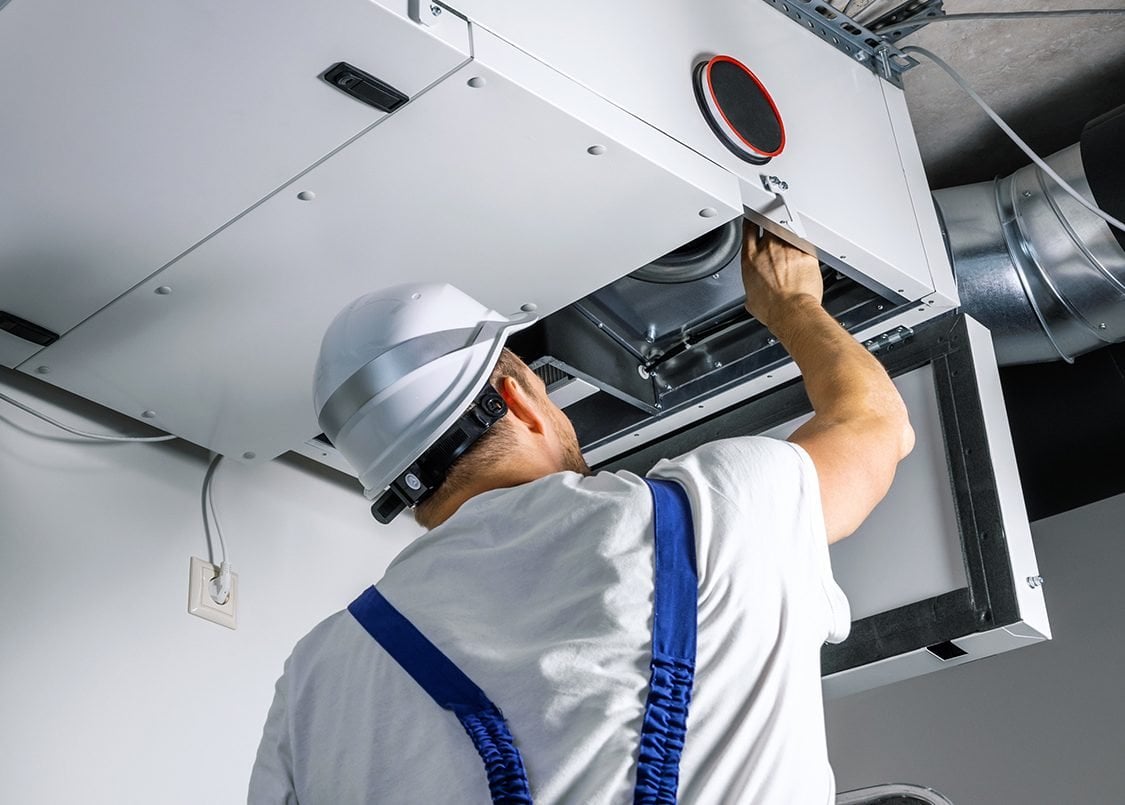
Airflow is the invisible driver of AC performance. Technicians should measure static pressure or at least estimate supply and return airflow by inspecting filters, blower motor condition, and register readings. If filters are filthy or the blower is weak, no amount of refrigerant will fix cooling problems completely.
Two red flags you should not ignore
- The technician refuses to show you basic readings such as temperature split across the evaporator, refrigerant pressure, or a photo of the suspected faulty part. These data points are cheap and quick to collect. Withholding them removes your ability to compare bids. The quote replaces multiple parts "to be safe" without explanation. Replacing a capacitor and a contactor is reasonable if both show wear, but replacing a compressor, evaporator, and control board at once on a 15-year-old system deserves scrutiny. Ask for itemized reasons.
A short checklist to bring when you call for a quote
- Your system age and model number if available. A clear description of symptoms, when they began, and any recent changes. Whether you have had regular maintenance in the last 12 months. If you suspect a leak or saw ice on the coils. Your preferred timing and any budget constraints.
What a fair price looks like in Hutto
Exact prices vary, but understanding ballpark numbers helps. A diagnostic visit in Hutto typically ranges from about $75 to $150 depending on company policies and whether the fee is waived with repair. Simple repairs, like replacing a capacitor, contactor, or fan motor, often land between $150 and $450 including parts and labor. Compressors and major components can run from $700 to $1,800 or more depending on system size and refrigerant type. Full replacements for typical Hutto homes often fall into a wide range, commonly $4,000 to $8,000 for modern 14 to 16 SEER systems, with higher-end or larger homes pushing that higher.
Always ask whether the diagnostic fee is credited toward the repair cost. Many reputable companies, including local providers such as Jurnee Mechanical, will credit diagnostics when you proceed with recommended work. If a company quotes a remarkably low parts price but adds unexplained labor or warranty limitations, treat the initial number skeptically.
Managing warranties and paperwork
Get the warranty terms in writing and ask who is responsible if a part fails after replacement. Manufacturer parts typically come with their own warranty, but labor warranties are the contractor's promise. Ask what triggers warranty denial; common legitimate reasons include evident neglect, use of unauthorized parts, or home electrical issues. Keep invoices and take photos of existing equipment before any work begins. That documentation helps if disputes arise or if you need to claim extended warranties later.
Second opinions and competitive bidding
For repairs expected to exceed several hundred dollars, getting a second opinion is prudent. Good technicians will not object. If two companies disagree substantially on the diagnosis, ask for simple measurements that can be independently verified: static pressure readings, refrigerant head and suction pressures, and temperature split across the evaporator coil. When two professionals interpret the same data differently, prefer the one who explains assumptions clearly and ties recommendations to measurable outcomes.
How preventative maintenance changes the repair conversation
Routine maintenance changes repair frequency in quantifiable ways. A clean system with regular tune-ups will likely avoid 30 to 50 percent of common failures that lead to emergency calls, such as frozen coils, clogged drains, and motor burnout. Ask technicians about recommended maintenance frequency; for Hutto houses that run the AC most of the year, twice-annual visits are reasonable: one in spring for cooling and one in fall for the heat pump or furnace. Maintenance plans from local firms like Jurnee Mechanical often include priority scheduling and discounts on parts, which can be a financial win if you value fewer surprises.
Negotiation tips that actually work
Be firm but fair. If you get multiple estimates, use them to negotiate on specifics rather than price alone. For example, ask whether a contractor can exclude a cosmetic part you can provide or whether seasonal promotions apply. If a company claims a single major failure, request a short written scope and ask if they will waive further diagnostic fees if the first repair does not resolve the issue.
When to stop asking and pay attention to red flags
If a contractor pressures you to sign immediately, refuses to itemize costs, or cannot produce licensing and insurance proof, stop. Also be wary if they require full payment upfront in cash or demand personal checks payable to individuals rather than the company. Reputable companies will take deposits for large jobs, but AC Repair in Hutto payment terms should be reasonable, documented, and tied to milestones.
A pragmatic closing thought
Repairing an AC system is less about heroics and more about steady, competent work and clear communication. The best outcomes come from technicians who measure, explain, and recommend with your long-term comfort and budget in mind. Ask the questions outlined here, expect straightforward answers, and don't be shy about asking for proof. That approach will save headaches and money, whether you need emergency AC repair in Hutto, an AC installation in Hutto, or regular AC maintenance in Hutto TX. If you want a local referral, Jurnee Mechanical is among the names that homeowners mention when they want accountability and thorough work; use these questions to vet them or any company you invite into your home.
Jurnee Mechanical
209 E Austin Ave, Hutto, TX 78634
(737) 408-1703
[email protected]
Website: https://jurneemechanical.com/